
Governance used to be something only board members worried about.
A topic reserved for directors, auditors, legal teams, and a handful of senior executives.
But that world is gone.
Today, governance is everyone’s responsibility — from the intern handling data to the manager approving budgets to the analyst reviewing vendors to the partner making strategic decisions.
According to the World Economic Forum (https://www.weforum.org/agenda/skills), governance literacy is now one of the essential future skills for global workforces, alongside digital literacy, critical thinking, and risk awareness.
And Deloitte’s research (https://www2.deloitte.com/us/en/insights) shows that organizations with strong governance education and internal awareness outperform peers in risk management, operational continuity, and decision quality.
The message is louder than ever:
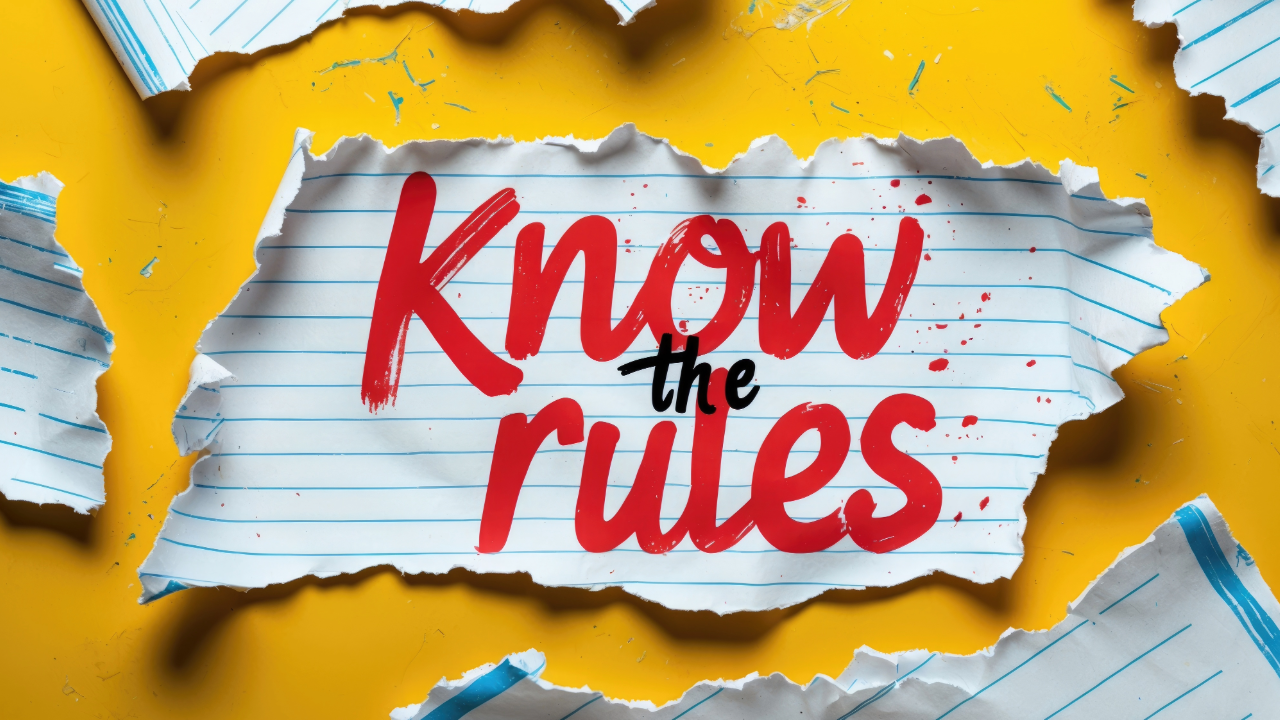
**Knowing the rules is not optional.
Knowing the rules is a competitive advantage.**
📘 Why Governance Education Has Become a Global Priority
⭐ 1. Risks Are Rising Across Every Industry
Cybersecurity threats.
Data privacy violations.
Vendor failures.
Operational errors.
Regulatory fines.
Conflicts of interest.
One uninformed decision from one employee can destabilize an entire organization.
Governance education ensures everyone:
✔ Knows the boundaries
✔ Understands the risks
✔ Follows the right process
✔ Escalates issues correctly
✔ Protects the organization
It’s not just about compliance — it’s about survival.
⭐ 2. Governance Is No Longer a Top-Down Function
Gone are the days when rules were written by leadership and “hoped” to be followed.
Governance today is:
- Embedded
- Distributed
- Culture-driven
- Integrated into daily work
Every team member must understand:
- How to report concerns
- What conflicts of interest look like
- What due diligence means
- Why documentation matters
- What oversight expectations are
Governance works only when everyone knows what “good governance” looks like.
⭐ 3. Global Digitalization Increased Complexity
Remote work
Cross-border data
Third-party reliance
Cloud systems
New laws
New regulations
The world is more connected — and more regulated — than ever before.
Teams need the education to keep up with changes, or they risk falling behind.
⭐ 4. Investors and Partners Expect Governance Literacy
Suppliers. Vendors. Consultants. Employees. Contractors.
Everyone representing the organization must understand:
- Policies
- Reporting lines
- Responsibilities
- Ethical standards
- Data expectations
Governance literacy is becoming a standard requirement for business partnerships.
⭐ 5. Good Governance Creates Trust
When employees understand governance:
- Mistakes decrease
- Ethical behavior increases
- Transparency improves
- Decisions strengthen
- Stakeholder confidence grows
Education, not enforcement, is the foundation of a healthy governance culture.
🔍 Where Governancepedia Leads the New Governance Education Era
Governancepedia was created for one powerful purpose:
**To make governance easy to understand
— for anyone, at any level.**
Governance should not feel like legal jargon, technical manuals, or intimidating frameworks.
It should be accessible. Clear. Useful. Practical.
And that’s exactly what Governancepedia provides.
🔵 1. A Free Governance Learning Hub for Everyone
Governancepedia offers:
- Definitions of key terms
- Industry explanations
- Oversight breakdowns
- Compliance basics
- Governance process guides
- Real-world examples
- Framework explainers
Anyone — from new starters to senior managers — can learn governance at their own pace.
🔵 2. Governance Explained in Plain Language
No complexity.
No legal noise.
No confusing frameworks.
We translate governance into:
✔ Everyday language
✔ Practical steps
✔ Easily digestible insights
✔ Simple explanations
So teams can understand what governance is and how to do it correctly.
🔵 3. Governance Education Built for All Roles
Whether you’re:
- A board member
- A department manager
- A risk analyst
- A third-party vendor
- An internal auditor
- A new employee
- A partner organization
Governancepedia helps you understand:
- Duties
- Responsibilities
- Oversight expectations
- Risks
- Ethical requirements
- Documentation standards
Governance knowledge becomes accessible—not exclusive.
🔵 4. Updated Insights on Governance Trends
We track:
- Emerging regulations
- Industry governance frameworks
- Oversight trends
- Risk standards
- Best practices globally
So organizations stay aligned with the future, not the past.
🧠 Why Knowledge Is the Foundation of Good Governance
Governance fails not because rules are bad, but because people don’t understand them.
Governance education helps teams:
✔ Prevent mistakes
✔ Avoid risk
✔ Make better decisions
✔ Understand ethical boundaries
✔ Build strong internal cultures
✔ Improve operational quality
✔ Strengthen organizational trust
The more informed people are, the safer and stronger the organization becomes.
🚀 Why Governancepedia Is the Future of Governance Learning
Governancepedia gives organizations something they desperately need:
✔ A free, easy-to-understand education platform
✔ Governance literacy for everyone, not just leadership
✔ Practical explanations instead of theoretical jargon
✔ Updated and relevant governance knowledge
✔ A trusted resource to support stronger culture and compliance
Governance is evolving faster than ever.
Regulations are changing.
Systems are becoming more complex.
Risks are increasing.
The organizations that will thrive are the ones that train their people — not just their executives.
And Governancepedia is the place where that education begins.